

De-Extinction: The Risks and Benefits of attempting to Re-Wild Ecosystems
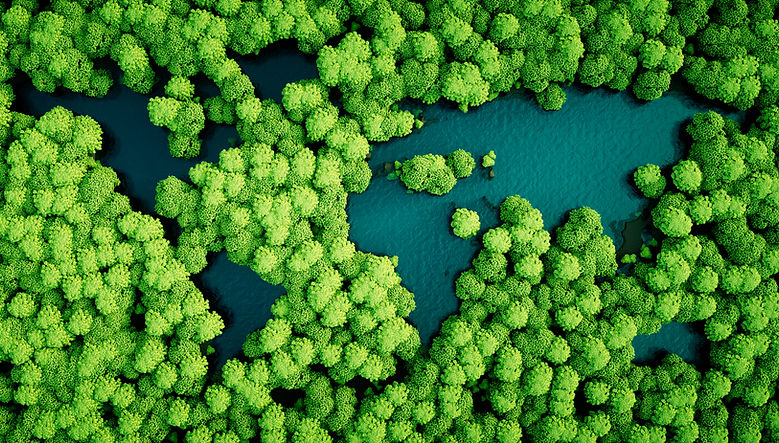
There is a global extinction crisis which Australia is notably impacted by.
“Biodiversity loss and ecosystems collapse is ranked by the World
Economic Forum as the second most significant global risk over the next
decade, with 50 per cent of the global economy dependent on nature.
This is a growing risk because of climate change, bushfires and habitat
destruction.
De-extinction- the process of genetically modifying an existing species to
include DNA from an extinct species- is a highly debated and costly
measure to combat extinction. The global extinction crisis is worsened
because some species are non-recoverable. Some species are considered
“priority species” for conservation in Australia.
De-extinction could help conservation efforts by restoring ecosystems
impacted by the loss of key species. However, it needs massive funding
which could be used for conservation of currently threatened species-
making it a potential diversion from existing conservation needs. Further,
the technology to bring back variations of these extinct animals is not fully
developed, making the sustenance of genetically modified animals in the
wild risky. Moreover, the question of which endangered animals should be
genetically modified, and which cannot or need not be revived like this is a
complex, subjective judgment- an ethical quandary without a “correct”
answer.
Questions
1. Should animals be genetically modified?
2. How should we decide which animals to modify?
Sources:
The Economist Foundation, Topical Talk. De-extinction: Good v bad. https://talk.economistfoundation.org/resources/deextinction-good-v-bad/
https://wwf.org.au/news/2025/the-cost-of-preventing-extinction-of-australias-priority-species/
Ward, M. et al. (2025). The estimated cost of preventing extinction and progressing recovery for Australia’s priority threatened species. Proceedings of the National Academy of Sciences https://www.pnas.org/doi/10.1073/pnas.2414985122


